Meaning
Mostly used to offer someone something or to invite someone. A polite way of asking "do you want" when offering something.
Today's Sentences
- Would you like some help?
- Would you like a cup of coffee?
- Would you like a bite?
- Would you like a drink?
- Would you like a ride?
- Writer's Note
01
Would you like some help?
Situation 1
Would you like some help?
Could you hold the elevator for a second?
Sure, take your time.
So many packages to deliver today.
Thanks.
Situation 2
Would you like some help?
I don’t think I can make it across the street.
I can help you walk, just take your time.
Sorry to be a pain.
02
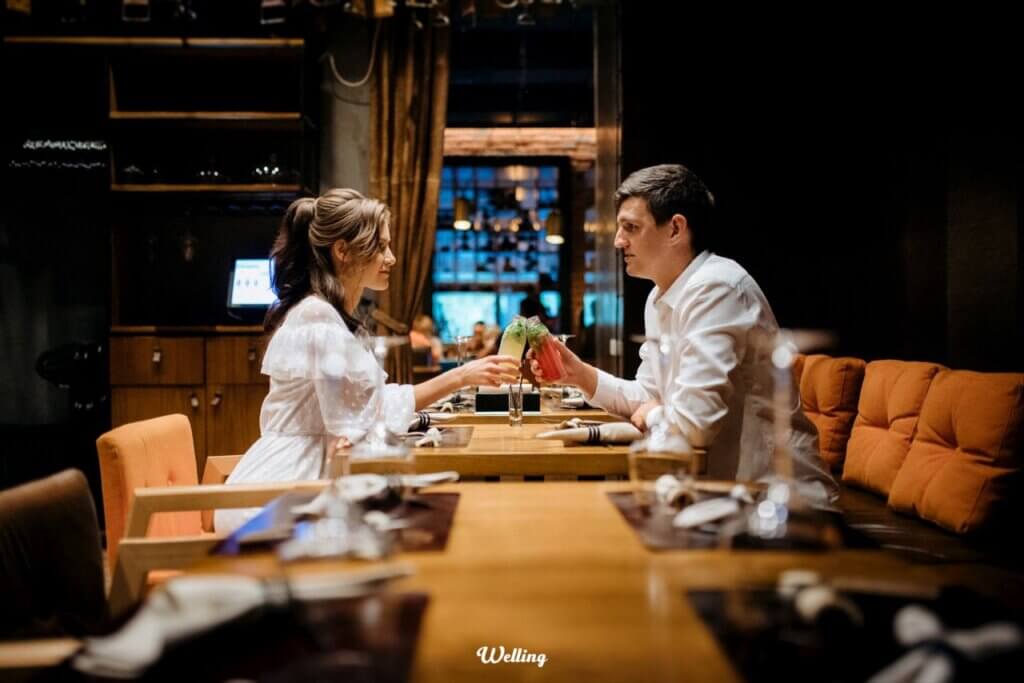
Would you like a cup of coffee?
Situation
I’m so happy we can catch up over dessert.
Me too.
Should we order a drink too?
Would you like a cup of coffee?
I’d love that!
03
Would you like a bite?
Situation 1
Is that soup from across the street?
Yes, I just had lunch and got takeout.
I haven’t had lunch yet.
Would you like a bite?
Situation 2
Would you like a bite?
I would love some of your sandwich.
Here you can have half, I’m not too hungry today.
Thanks!
04
Would you like a drink?
Situation
Would you like a drink?
Yes, I would love some lemon water.
Certainly.
Thank you.
05
Would you like a ride?
Situation 1
Oh no, I’m late for school.
Would you like a ride?
If you can, that would be great.
I got the keys, let’s go.
Situation 2
When are you done work?
I’m off at 6.
Would you like a ride?
That would be nice.
Writer’s Note
Here are some key points about "Would you like":
- Function: Making Polite Offers or Invitations
👉 "Would you like" is more polite and formal than "Do you want".
👉 Used to offer food, help, activities, or options.
Examples:
👉 Would you like some coffee?
👉 Would you like to join us for dinner? - Common Structures:
"Would you like" + noun?
👉 Would you like a drink?
👉 Would you like a seat by the window?
"Would you like" + "to" + verb?
👉 Would you like to come with us?
👉 Would you like to learn more?
Did you notice the tone of the question? It definitely has a more well mannered, polite, even professional attitude. As English learners, there's a fear of saying something or acting in a way that is rude. Perhaps even offensive to someone outside of your culture. But no matter who you are, where you are, you can always learn politeness from the impolite. Let us know if you have any questions about studying English or about being polite! We'd love to hear from you.