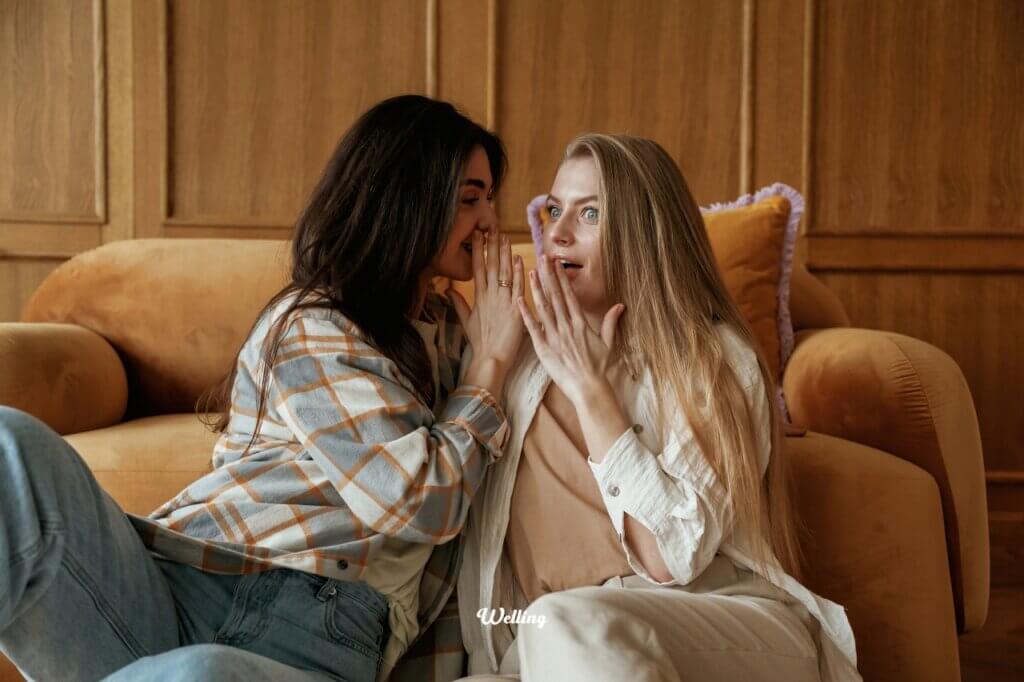
Meaning
Na língua inglesa, a expressão "I've noticed that" é usada para introduzir uma observação ou percepção que a pessoa teve sobre algo. Essa expressão pode ser traduzida como "Eu notei que" em português. É uma forma de compartilhar informações que foram percebidas ou observadas, geralmente após alguma consideração ou reflexão.
Por exemplo, você pode usar "I've noticed that" quando perceber mudanças em um comportamento: "I've noticed that you have been working late recently." Isso indica que você percebeu que a outra pessoa está trabalhando até tarde com frequência.
A expressão é útil em diversas situações cotidianas, desde conversas informais até contextos mais profissionais, para expressar suas observações de maneira educada e clara. Ela também pode ser usada para iniciar uma discussão ou oferecer feedback de forma construtiva: "I've noticed that the team is more productive when we have weekly meetings."
Today's Sentences
- I’ve noticed that he loves her very much.
- I’ve noticed that the flowers are blooming.
- I’ve noticed that you’ve changed your hair.
- I’ve noticed that you’re wearing a new dress.
- I’ve noticed that she drinks coffee in the morning.
- Writer's Note
01
I’ve noticed that he loves her very much.
Situation 1
How have you been since your daughter was born?
I feel back to normal now.
My husband just melts when he sees her.
Meu marido simplesmente derrete quando a vê.
I’ve noticed that he loves her very much.
He does.
We’re both really happy.
Estamos ambos muito felizes.
Situation 2
I’ve noticed that he loves her very much.
He’s absolutely in love.
I’ve never seen him happier.
Eu nunca o vi tão feliz.
Will you be going to their wedding in June?
Yes, I’m planning to attend.
02
I’ve noticed that the flowers are blooming.
Situation 1
Isn’t the weather beautiful today?
I’ve noticed that the flowers are blooming.
It definitely feels like spring.
I think we should go for walks during lunch to enjoy the spring season.
Situation 2
Have you finished your lunch?
Join me for a walk.
Venha caminhar comigo.
Sure, I’d love to.
The weather is getting warmer.
I’ve noticed that the flowers are blooming.
Notei que as flores estão florescendo.
Yea, it feels like it turned into spring overnight.
03
I’ve noticed that you’ve changed your hair.
Situation 1
You look different!
Really?
What could it be.
O que poderia ser.
I’ve noticed that you’ve changed your hair.
That’s right! I dyed my hair the other day.
Thanks for noticing.
Obrigado por perceber.
Situation 2
I’ve noticed that you’ve changed your hair.
Thank you for noticing.
I got a fresh new cut and color last week.
Fiz um corte e uma coloração novos na semana passada.
It looks great on you!
Thanks for the compliment.
You made my day!
Você alegrou o meu dia!
04
I’ve noticed that you’re wearing a new dress.
Situation 1
Are you going somewhere tonight?
Why do you ask?
I’ve noticed that you’re wearing a new dress.
I’m actually going on a blind date right after work.
Situation 2
I’ve noticed that you’re wearing a new dress.
Thank you.
It looks great on you.
You can never go wrong with a little black dress.
Você nunca erra com um vestido preto básico.
I agree.
Classic black is always my default when I’m unsure.
O preto clássico é sempre minha escolha padrão quando estou em dúvida.
05
I’ve noticed that she drinks coffee in the morning.
Situation 1
Do you know where Jessie is?
I’ve noticed that she drinks coffee in the morning.
She might be in the break room.
Ela pode estar na sala de descanso.
Maybe I’ll just wait until she gets back to her desk.
I can let her know that you were looking for her, if you’re busy.
Situation 2
I wonder where Charlotte went.
I’ve noticed that she drinks coffee in the morning.
Really?
Should we go to the campus cafe and meet up with her?
Devemos ir ao café do campus e nos encontrar com ela?
Sure.
I could do with a cup of coffee right now.
Eu adoraria uma xícara de café agora mesmo.
Writer's Note
Did you know that "I noticed" refers to a specific moment in time. It is used in the present tense and expresses a current observation or realization. "I have noticed" is used to explain an extended amount of time perhaps in the past and potentially in the future.
Let's look at some "I notice/I noticed" examples:
- I notice that the sun is beginning to set.
- Do you notice that she hasn't been into work for the past week?
- Would he notice if I wore a different outfit?
- I noticed that you were crying earlier.
- I just wanted to thank you since you noticed my coffee was on top of my car.
So fellow⭐Welling-ers⭐ there you have it! Now you can use "I've noticed that" and "I noticed" in a casually or professional setting. Practice with your friends and family so that you are confident and comfortable using it in new settings.